Domain technical-development.de kaufen?
Wir ziehen mit dem Projekt
technical-development.de um.
Sind Sie am Kauf der Domain
technical-development.de interessiert?
domain@kv-gmbh.de · 0541-91531010
Domain technical-development.de kaufen?
Was sind die Vorteile von Continuous Integration für die Softwareentwicklung? Wie kann Continuous Integration den Entwicklungsprozess verbessern?
Continuous Integration ermöglicht eine kontinuierliche Integration von Codeänderungen, um Konflikte frühzeitig zu erkennen und zu lösen. Dadurch wird die Qualität des Codes verbessert und die Entwicklungszeit verkürzt. Zudem ermöglicht Continuous Integration eine automatisierte Testausführung, was die Fehlererkennung und -behebung beschleunigt und die Stabilität der Software erhöht. **
Wie beeinflusst der Entwicklungsprozess die Produktqualität?
Der Entwicklungsprozess bestimmt die Anforderungen und Spezifikationen des Produkts, die sich direkt auf die Qualität auswirken. Eine sorgfältige Planung und Umsetzung des Entwicklungsprozesses kann zu einer höheren Produktqualität führen. Fehler im Entwicklungsprozess können zu Mängeln im Endprodukt führen und die Qualität beeinträchtigen. **


Ähnliche Suchbegriffe für Entwicklungsprozess
Top-Angebote
Produkte zum Begriff Entwicklungsprozess:
-
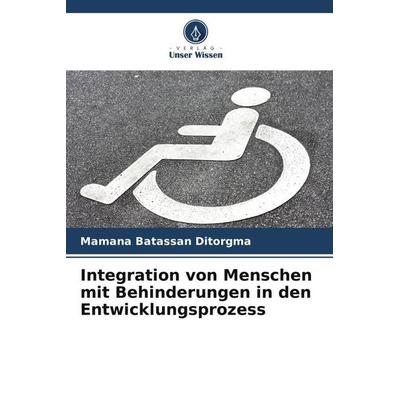
Integration von Menschen mit Behinderungen in den Entwicklungsprozess, Taschenbuch von Mamana Batassan Ditorgma, Verlag Unser Wissen,Integration Von Menschen Mit Behinderungen In Den Entwicklungsprozess, Taschenbuch Von Mamana Batassan Ditorgma, Verlag Unser Wissen, 978-620-5-91860-9, Seitenanzahl: 8065,90 €*Versand: 0,00 €Sichere Weiterleitung zum Anbieter
-
Tune, Nick: Architecture ModernizationArchitecture Modernization , Proven techniques and principles for modernizing legacy systems into new architectures that deliver serious competitive advantage. For a business to thrive, it needs a modern software architecture that is aligned with its corporate architecture. This book presents concrete practices that sync software, product, strategy, team dynamics, and work practices. You’ll evolve your technical and social architecture together, reducing needless dependencies and achieving faster flow of innovation across your organization. In Architecture Modernization: Socio-technical alignment of software, strategy, and structure you’ll learn how to: Identify strategic ambitions and challenges using listening and mapping tours Visualize your business landscape and crucial capabilities with Wardley Mapping Create a product taxonomy as a framework for your architecture Run big picture EventStorming workshops to map business domains Apply Team Topologies patterns to identify and refine value streams Design loosely coupled, domain-aligned software architectures Build internal developer platforms for rapid, reliable evolution Implement data mesh principles and tools to revolutionize data engineering Deliver compelling modernization roadmaps focused on continuous value Architecture Modernization: Socio-technical alignment of software, strategy, and structure shows you how to turn the practice of architecting systems into a transformative process for your entire company. Chapter-by-chapter, you’ll identify the reasons and benefits of modernization, design an architecture that works for your business, and then implement your new approach in a progressive and sustainable manner. Every technique is illustrated with insightful industry examples and an interactive Miro board that lets you dig deeper. Forewords by Matthew Skelton and Xin Yao. Purchase of the print book includes a free eBook in PDF, Kindle, and ePub formats from Manning Publications. About the technology The decisions you make about your software are inherently connected to the decisions you make about your business. Why not turn the mundane task of modernizing legacy systems into a transformative process for your entire company? This book shows you how! It reveals a socio-technical approach to align your software and products with organizational dynamics and ways of working. About the book Architecture Modernization: Socio-technical alignment of software, strategy, and structure presents a clear path for upgrading your entire organization when you re-imagine your software. In it, you’ll learn to combine practices like Domain-Driven Design, Event Storming, and Wardley Mapping to discover user needs, design optimal architecture, and avoid falling back into old habits. Provocative examples from Danske, Salesforce, the UK Government, and others show the real-world result of each approach, identifying techniques you can apply effectively in your own business. What's inside Uncover cross-org challenges and opportunities A product-centric approach to architecture Envision architecture as a portfolio to prioritize investment About the reader For CTOs, tech leads, and principal engineers who decide on architecture and organization design. About the author Nick Tune helps organizations modernize their architectures through empowered product teams and continuous delivery. Jean-Georges Perrin builds innovative and modern data platforms. The technical editor on this book was Kamil Nicieja. Table of Contents 1 What is architecture modernization? 2 Preparing for the journey 3 Business objectives 4 Listening and mapping tours 5 Wardley Mapping 6 Product taxonomy 7 Big picture EventStorming 8 Product and domain modernization 9 Identifying domains and subdomains 10 Strategic IT portfolio 11 Team Topologies 12 Loosely coupled software architecture 13 Internal developer platforms 14 Data mesh revolutionizing data engineering 15 Architecture modernization enabling teams 16 Strategy and roadmaps 17 Learning and upskilling , > , Erscheinungsjahr: 20240220, Autoren: Tune, Nick~Perrin, Jean-Georges, Seitenzahl/Blattzahl: 488, Themenüberschrift: COMPUTERS / Enterprise Applications / General, Keyword: Event Storming; Team Topologies; and Domain-Driven Design; product development techniques; software architecture; business strategy, Fachschema: Datenverarbeitung / Anwendungen / Betrieb, Verwaltung~Informatik, Fachkategorie: Informatik, Warengruppe: HC/Informatik, UNSPSC: 49019900, Warenverzeichnis für die Außenhandelsstatistik: 49019900, Länge: 232, Breite: 192, Höhe: 30, Gewicht: 896, Produktform: Kartoniert, Genre: Importe,43,68 €*Versand: 0,00 €Sichere Weiterleitung zum Anbieter
-
Business Model Innovation - Ein generischer Entwicklungsprozess mit dem Schwerpunkt Business Model Controlling, Taschenbuch von Michael Konter, GRIN,Business Model Innovation - Ein Generischer Entwicklungsprozess Mit Dem Schwerpunkt Business Model Controlling, Taschenbuch Von Michael Konter, Grin, 978-3-656-41225-0, Seitenanzahl: 11247,95 €*Versand: 0,00 €Sichere Weiterleitung zum Anbieter
-
Der Beitrag der regionalen Integration zum Entwicklungsprozess, Taschenbuch von Ferdinand Modjingar, Verlag Unser Wissen, 978-620-6-09005-2Der Beitrag Der Regionalen Integration Zum Entwicklungsprozess, Taschenbuch Von Ferdinand Modjingar, Verlag Unser Wissen, 978-620-6-09005-2, Seitenanzahl: 9260,90 €*Versand: 0,00 €Sichere Weiterleitung zum Anbieter

-
Wie kann ein effizienter Entwicklungsprozess sichergestellt werden?
Ein effizienter Entwicklungsprozess kann durch klare Zielsetzungen und Priorisierung von Aufgaben gewährleistet werden. Zudem ist eine gute Kommunikation und Zusammenarbeit im Team entscheidend. Die regelmäßige Überprüfung und Anpassung des Prozesses an neue Anforderungen ist ebenfalls wichtig. **
-
Was ist der biologische Entwicklungsprozess einer Kaulquappe?
Eine Kaulquappe ist die Larvenform eines Frosches. Sie durchläuft eine Metamorphose, bei der sie sich von einem aquatischen Lebewesen mit Kiemen zu einem terrestrischen Lebewesen mit Lungen entwickelt. Während dieser Entwicklung verändert sich ihr Körperbau und sie verliert ihren Schwanz. **
-
Wie beeinflussen externe Faktoren den Entwicklungsprozess eines Produkts oder einer Idee? Welche Schritte sind notwendig, um einen erfolgreichen Entwicklungsprozess zu gewährleisten?
Externe Faktoren wie Markttrends, Wettbewerb und Technologie können den Entwicklungsprozess beeinflussen, indem sie Anpassungen und Innovationen erfordern. Um einen erfolgreichen Entwicklungsprozess sicherzustellen, sind eine gründliche Marktforschung, regelmäßiges Feedback von Kunden und eine flexible Planung erforderlich. Zusätzlich ist es wichtig, frühzeitig potenzielle Risiken zu identifizieren, ein starkes Team zusammenzustellen und eine klare Kommunikation innerhalb des Teams aufrechtzuerhalten. **
-
Was sind die wichtigsten Schritte im Entwicklungsprozess eines Produkts?
Die wichtigsten Schritte im Entwicklungsprozess eines Produkts sind die Ideenfindung und Konzeptentwicklung, die Produktgestaltung und -entwicklung sowie die Prototypenerstellung und Testphase. Anschließend folgen die Produktion und Markteinführung des Produkts. Jeder Schritt erfordert sorgfältige Planung, Zusammenarbeit und Überprüfung, um ein erfolgreiches Produkt zu entwickeln. **


Wie lässt sich der Entwicklungsprozess effizient und nachhaltig gestalten?
Der Entwicklungsprozess kann effizient gestaltet werden, indem klare Ziele definiert, Ressourcen optimal genutzt und regelmäßige Überprüfungen durchgeführt werden. Nachhaltigkeit wird erreicht, indem Umweltauswirkungen minimiert, soziale Verantwortung übernommen und langfristige Lösungen implementiert werden. Die Einbeziehung aller Stakeholder, kontinuierliche Verbesserungen und die Berücksichtigung von ethischen Grundsätzen sind ebenfalls entscheidend. **
Wie kann der Entwicklungsprozess in Unternehmen effizienter gestaltet werden?
Der Entwicklungsprozess in Unternehmen kann effizienter gestaltet werden, indem klare Ziele und Meilensteine definiert werden. Außerdem ist eine regelmäßige Kommunikation und Zusammenarbeit zwischen den verschiedenen Abteilungen und Teams wichtig. Die Nutzung von agilen Methoden und Tools kann ebenfalls dazu beitragen, den Entwicklungsprozess zu beschleunigen und zu optimieren. **
Top-Angebote
Produkte zum Begriff Entwicklungsprozess:
-
Integration von Sensitivitätsanalysemethoden in den Entwicklungsprozess für Fahrwerkregelsysteme, Taschenbuch von Christopher Braunholz, SpringerIntegration Von Sensitivitätsanalysemethoden In Den Entwicklungsprozess Für Fahrwerkregelsysteme, Taschenbuch Von Christopher Braunholz, Springer Fachmedien Wiesbaden Gmbh, 978-3-658-33358-4, Seitenanzahl: 15474,99 €*Versand: 0,00 €Sichere Weiterleitung zum Anbieter
-
Springer Integration von Sensitivitätsanalysemethoden in den Entwicklungsprozess für Fahrwerkregelsysteme (Deutsch, Softcover, Christopher Braunholz) (56181189)Springer Integration von Sensitivitätsanalysemethoden in den Entwicklungsprozess für Fahrwerkregelsysteme (Deutsch, Softcover, Christopher Braunholz) (56181189)74,99 €*Versand: 0,00 €Sichere Weiterleitung zum Anbieter
-
Integration von Menschen mit Behinderungen in den Entwicklungsprozess, Taschenbuch von Mamana Batassan Ditorgma, Verlag Unser Wissen,Integration Von Menschen Mit Behinderungen In Den Entwicklungsprozess, Taschenbuch Von Mamana Batassan Ditorgma, Verlag Unser Wissen, 978-620-5-91860-9, Seitenanzahl: 8065,90 €*Versand: 0,00 €Sichere Weiterleitung zum Anbieter
-
Tune, Nick: Architecture ModernizationArchitecture Modernization , Proven techniques and principles for modernizing legacy systems into new architectures that deliver serious competitive advantage. For a business to thrive, it needs a modern software architecture that is aligned with its corporate architecture. This book presents concrete practices that sync software, product, strategy, team dynamics, and work practices. You’ll evolve your technical and social architecture together, reducing needless dependencies and achieving faster flow of innovation across your organization. In Architecture Modernization: Socio-technical alignment of software, strategy, and structure you’ll learn how to: Identify strategic ambitions and challenges using listening and mapping tours Visualize your business landscape and crucial capabilities with Wardley Mapping Create a product taxonomy as a framework for your architecture Run big picture EventStorming workshops to map business domains Apply Team Topologies patterns to identify and refine value streams Design loosely coupled, domain-aligned software architectures Build internal developer platforms for rapid, reliable evolution Implement data mesh principles and tools to revolutionize data engineering Deliver compelling modernization roadmaps focused on continuous value Architecture Modernization: Socio-technical alignment of software, strategy, and structure shows you how to turn the practice of architecting systems into a transformative process for your entire company. Chapter-by-chapter, you’ll identify the reasons and benefits of modernization, design an architecture that works for your business, and then implement your new approach in a progressive and sustainable manner. Every technique is illustrated with insightful industry examples and an interactive Miro board that lets you dig deeper. Forewords by Matthew Skelton and Xin Yao. Purchase of the print book includes a free eBook in PDF, Kindle, and ePub formats from Manning Publications. About the technology The decisions you make about your software are inherently connected to the decisions you make about your business. Why not turn the mundane task of modernizing legacy systems into a transformative process for your entire company? This book shows you how! It reveals a socio-technical approach to align your software and products with organizational dynamics and ways of working. About the book Architecture Modernization: Socio-technical alignment of software, strategy, and structure presents a clear path for upgrading your entire organization when you re-imagine your software. In it, you’ll learn to combine practices like Domain-Driven Design, Event Storming, and Wardley Mapping to discover user needs, design optimal architecture, and avoid falling back into old habits. Provocative examples from Danske, Salesforce, the UK Government, and others show the real-world result of each approach, identifying techniques you can apply effectively in your own business. What's inside Uncover cross-org challenges and opportunities A product-centric approach to architecture Envision architecture as a portfolio to prioritize investment About the reader For CTOs, tech leads, and principal engineers who decide on architecture and organization design. About the author Nick Tune helps organizations modernize their architectures through empowered product teams and continuous delivery. Jean-Georges Perrin builds innovative and modern data platforms. The technical editor on this book was Kamil Nicieja. Table of Contents 1 What is architecture modernization? 2 Preparing for the journey 3 Business objectives 4 Listening and mapping tours 5 Wardley Mapping 6 Product taxonomy 7 Big picture EventStorming 8 Product and domain modernization 9 Identifying domains and subdomains 10 Strategic IT portfolio 11 Team Topologies 12 Loosely coupled software architecture 13 Internal developer platforms 14 Data mesh revolutionizing data engineering 15 Architecture modernization enabling teams 16 Strategy and roadmaps 17 Learning and upskilling , > , Erscheinungsjahr: 20240220, Autoren: Tune, Nick~Perrin, Jean-Georges, Seitenzahl/Blattzahl: 488, Themenüberschrift: COMPUTERS / Enterprise Applications / General, Keyword: Event Storming; Team Topologies; and Domain-Driven Design; product development techniques; software architecture; business strategy, Fachschema: Datenverarbeitung / Anwendungen / Betrieb, Verwaltung~Informatik, Fachkategorie: Informatik, Warengruppe: HC/Informatik, UNSPSC: 49019900, Warenverzeichnis für die Außenhandelsstatistik: 49019900, Länge: 232, Breite: 192, Höhe: 30, Gewicht: 896, Produktform: Kartoniert, Genre: Importe,43,68 €*Versand: 0,00 €Sichere Weiterleitung zum Anbieter
-
Was sind die Vorteile von Continuous Integration für die Softwareentwicklung? Wie kann Continuous Integration den Entwicklungsprozess verbessern?
Continuous Integration ermöglicht eine kontinuierliche Integration von Codeänderungen, um Konflikte frühzeitig zu erkennen und zu lösen. Dadurch wird die Qualität des Codes verbessert und die Entwicklungszeit verkürzt. Zudem ermöglicht Continuous Integration eine automatisierte Testausführung, was die Fehlererkennung und -behebung beschleunigt und die Stabilität der Software erhöht. **
-
Wie beeinflusst der Entwicklungsprozess die Produktqualität?
Der Entwicklungsprozess bestimmt die Anforderungen und Spezifikationen des Produkts, die sich direkt auf die Qualität auswirken. Eine sorgfältige Planung und Umsetzung des Entwicklungsprozesses kann zu einer höheren Produktqualität führen. Fehler im Entwicklungsprozess können zu Mängeln im Endprodukt führen und die Qualität beeinträchtigen. **
-
Wie kann ein effizienter Entwicklungsprozess sichergestellt werden?
Ein effizienter Entwicklungsprozess kann durch klare Zielsetzungen und Priorisierung von Aufgaben gewährleistet werden. Zudem ist eine gute Kommunikation und Zusammenarbeit im Team entscheidend. Die regelmäßige Überprüfung und Anpassung des Prozesses an neue Anforderungen ist ebenfalls wichtig. **
-
Was ist der biologische Entwicklungsprozess einer Kaulquappe?
Eine Kaulquappe ist die Larvenform eines Frosches. Sie durchläuft eine Metamorphose, bei der sie sich von einem aquatischen Lebewesen mit Kiemen zu einem terrestrischen Lebewesen mit Lungen entwickelt. Während dieser Entwicklung verändert sich ihr Körperbau und sie verliert ihren Schwanz. **
Ähnliche Suchbegriffe für Entwicklungsprozess
-
Business Model Innovation - Ein generischer Entwicklungsprozess mit dem Schwerpunkt Business Model Controlling, Taschenbuch von Michael Konter, GRIN,Business Model Innovation - Ein Generischer Entwicklungsprozess Mit Dem Schwerpunkt Business Model Controlling, Taschenbuch Von Michael Konter, Grin, 978-3-656-41225-0, Seitenanzahl: 11247,95 €*Versand: 0,00 €Sichere Weiterleitung zum Anbieter
-
Der Beitrag der regionalen Integration zum Entwicklungsprozess, Taschenbuch von Ferdinand Modjingar, Verlag Unser Wissen, 978-620-6-09005-2Der Beitrag Der Regionalen Integration Zum Entwicklungsprozess, Taschenbuch Von Ferdinand Modjingar, Verlag Unser Wissen, 978-620-6-09005-2, Seitenanzahl: 9260,90 €*Versand: 0,00 €Sichere Weiterleitung zum Anbieter
-
Durchgängige Wirkungsorientierung im Entwicklungsprozess von Fahrzeugfunktionen, Taschenbuch von Torsten Ronneberger, Cuvillier Verlag,Durchgängige Wirkungsorientierung Im Entwicklungsprozess Von Fahrzeugfunktionen, Taschenbuch Von Torsten Ronneberger, Cuvillier Verlag, 978-3-7369-9978-7, Seitenanzahl: 18449,90 €*Versand: 0,00 €Sichere Weiterleitung zum Anbieter
-
Wie beeinflussen externe Faktoren den Entwicklungsprozess eines Produkts oder einer Idee? Welche Schritte sind notwendig, um einen erfolgreichen Entwicklungsprozess zu gewährleisten?
Externe Faktoren wie Markttrends, Wettbewerb und Technologie können den Entwicklungsprozess beeinflussen, indem sie Anpassungen und Innovationen erfordern. Um einen erfolgreichen Entwicklungsprozess sicherzustellen, sind eine gründliche Marktforschung, regelmäßiges Feedback von Kunden und eine flexible Planung erforderlich. Zusätzlich ist es wichtig, frühzeitig potenzielle Risiken zu identifizieren, ein starkes Team zusammenzustellen und eine klare Kommunikation innerhalb des Teams aufrechtzuerhalten. **
-
Was sind die wichtigsten Schritte im Entwicklungsprozess eines Produkts?
Die wichtigsten Schritte im Entwicklungsprozess eines Produkts sind die Ideenfindung und Konzeptentwicklung, die Produktgestaltung und -entwicklung sowie die Prototypenerstellung und Testphase. Anschließend folgen die Produktion und Markteinführung des Produkts. Jeder Schritt erfordert sorgfältige Planung, Zusammenarbeit und Überprüfung, um ein erfolgreiches Produkt zu entwickeln. **
-
Wie lässt sich der Entwicklungsprozess effizient und nachhaltig gestalten?
Der Entwicklungsprozess kann effizient gestaltet werden, indem klare Ziele definiert, Ressourcen optimal genutzt und regelmäßige Überprüfungen durchgeführt werden. Nachhaltigkeit wird erreicht, indem Umweltauswirkungen minimiert, soziale Verantwortung übernommen und langfristige Lösungen implementiert werden. Die Einbeziehung aller Stakeholder, kontinuierliche Verbesserungen und die Berücksichtigung von ethischen Grundsätzen sind ebenfalls entscheidend. **
-
Wie kann der Entwicklungsprozess in Unternehmen effizienter gestaltet werden?
Der Entwicklungsprozess in Unternehmen kann effizienter gestaltet werden, indem klare Ziele und Meilensteine definiert werden. Außerdem ist eine regelmäßige Kommunikation und Zusammenarbeit zwischen den verschiedenen Abteilungen und Teams wichtig. Die Nutzung von agilen Methoden und Tools kann ebenfalls dazu beitragen, den Entwicklungsprozess zu beschleunigen und zu optimieren. **
* Alle Preise verstehen sich inklusive der gesetzlichen Mehrwertsteuer und ggf. zuzüglich Versandkosten. Die Angebotsinformationen basieren auf den Angaben des jeweiligen Shops und werden über automatisierte Prozesse aktualisiert. Eine Aktualisierung in Echtzeit findet nicht statt, so dass es im Einzelfall zu Abweichungen kommen kann. ** Hinweis: Teile dieses Inhalts wurden von KI erstellt.